CircuitLens
Engineering services for electronics products

Built for startups & MSMEs

Do you have product intent?

Do you need stronger engineering structure, better manufacturing awareness?

Do you need end-to-end execution support?

We can help you get there.

Hardware Startups

Teams building embedded systems that need a path toward production-ready hardware.

MSMEs Launching New Products

Businesses that understand the market but need support to turn ideas into manufacturable electronics.

Teams Stuck Between Prototype and Production

Products that exist in some form but need redesign, validation, cost correction, or manufacturing-readiness.

What We Actually Do

We are an engineering services firm for electronics products. We move ideas from concept to production ready hardware.

Electronics consulting & Architecture
Electronics Hardware Design
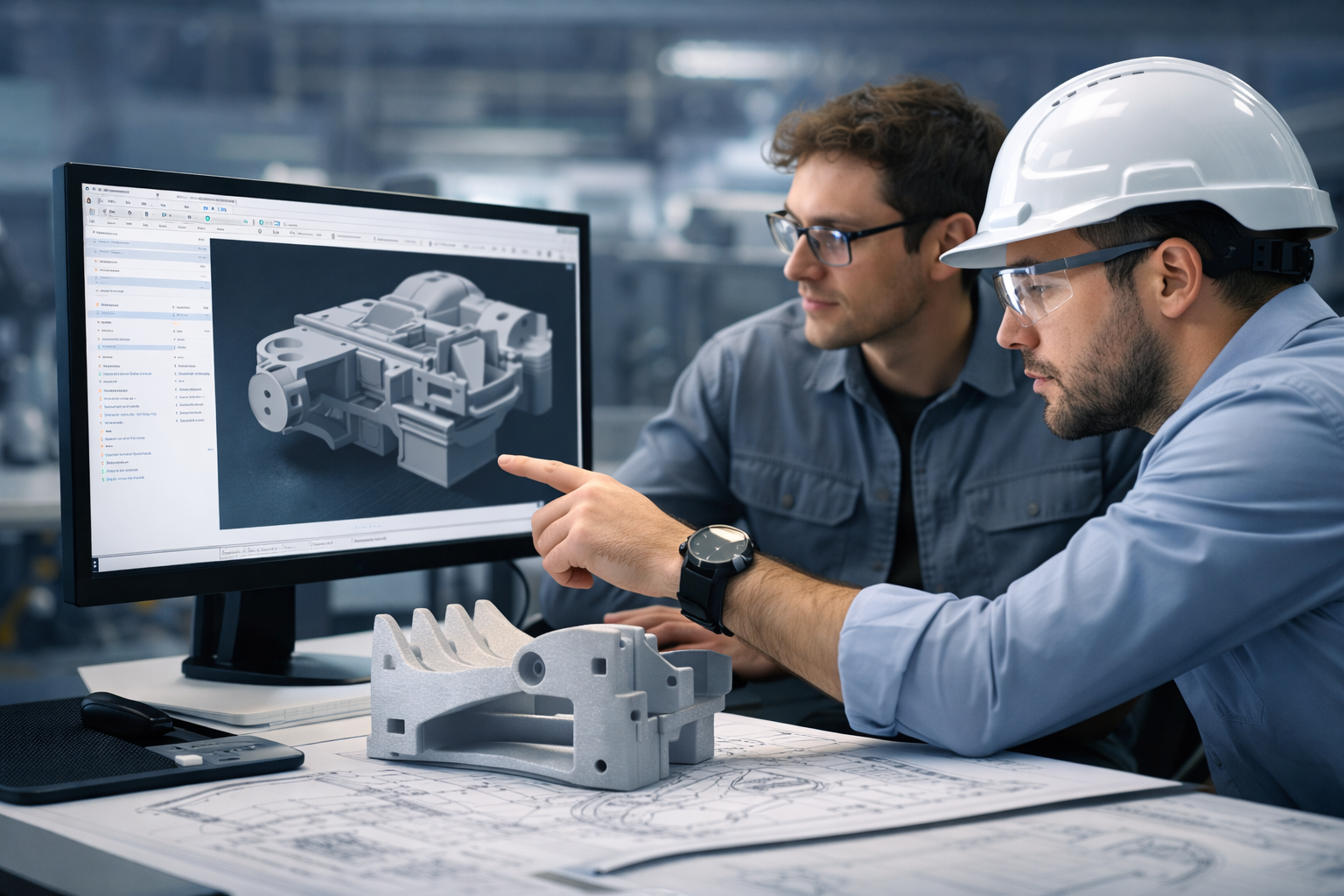
PCB Design & DFMA
Embedded Firmware Development
Validation & Prototype Bring-Up
Manufacturing Readiness Support

Industries we cater to

Representative domains where we support electronics architecture, design, firmware, and manufacturing-readiness.


EV & Automotive

EV & Automotive

Consumer electronics

Consumer electronics

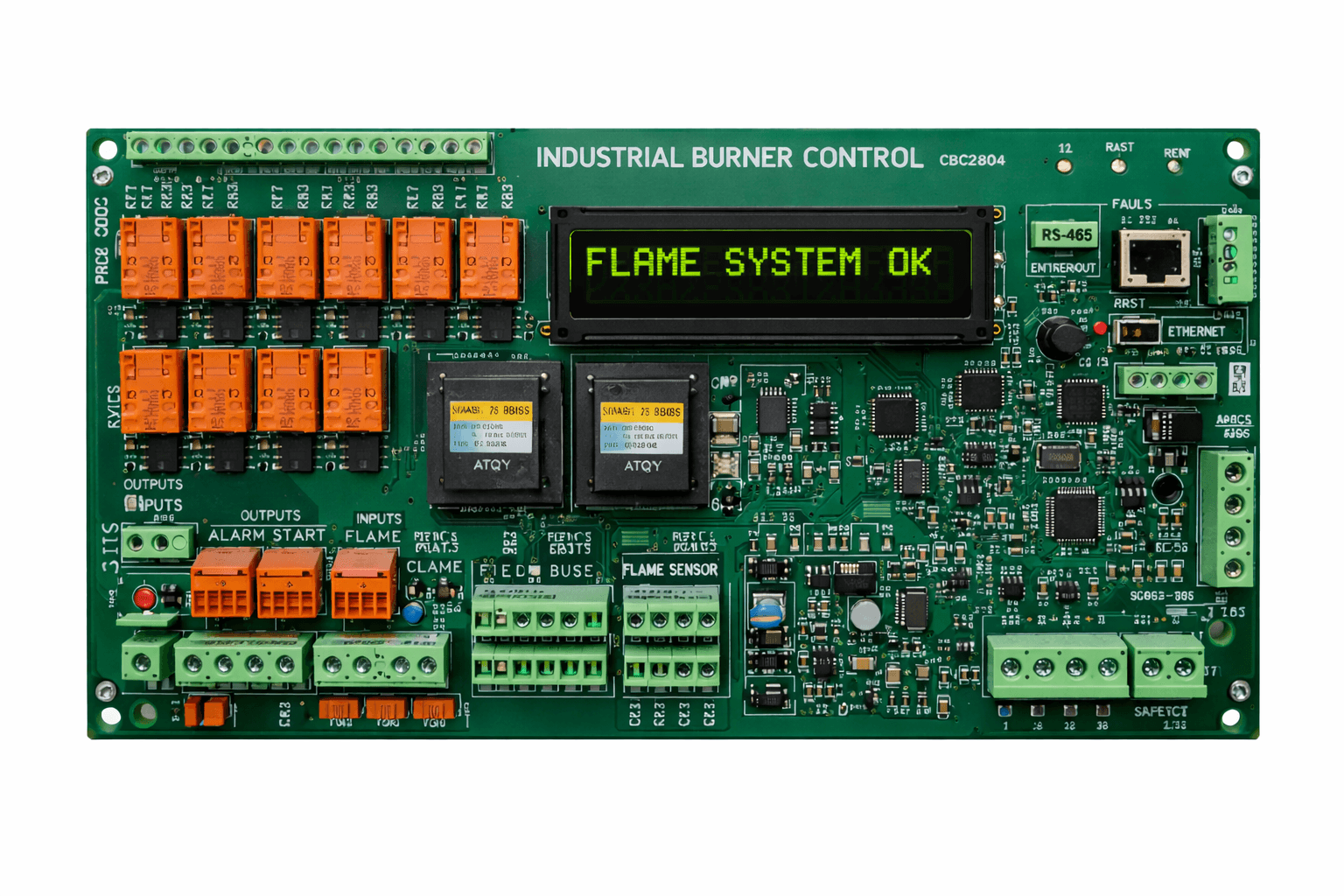
Industrial electronics

Industrial electronics

Internet of Things

Internet of Things

Manufacturing

Manufacturing

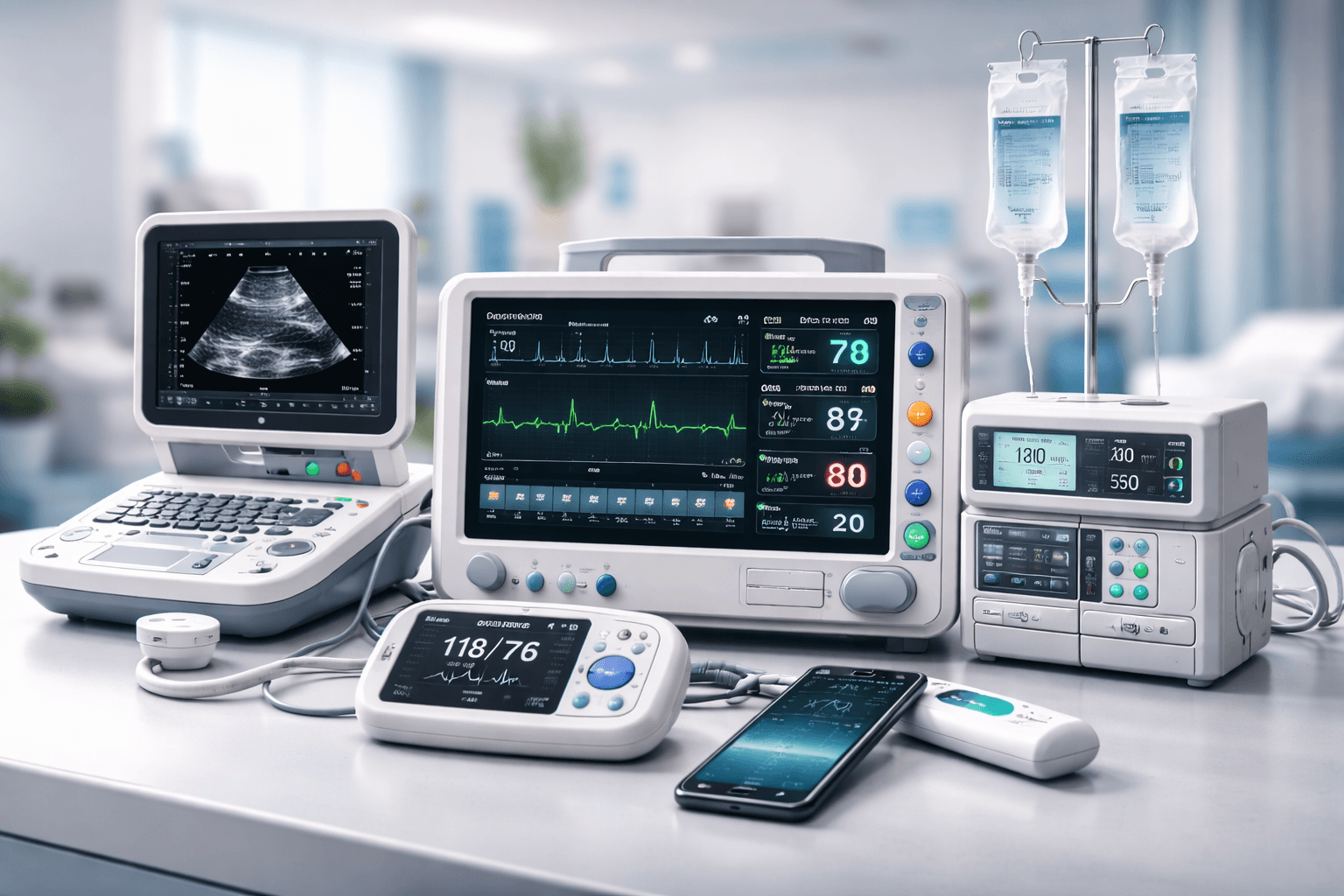
Medical electronics

Medical electronics

Why teams trust CircuitLens

Real product domains worked in

Experience across embedded electronics, firmware, PCB design, validation, and production-readiness work

Engineering scope covered

Hardware, firmware, layout, bring-up, and manufacturing alignment — structured development with cost, compliance, and sourcing awareness.

Production-aware approach

Built for products that have real constraints: cost, compliance, sourcing, manufacturing, and reliability

Execution ownership, not just advice

Support from concept architecture to pilot-ready builds.
How We Work

Step 1
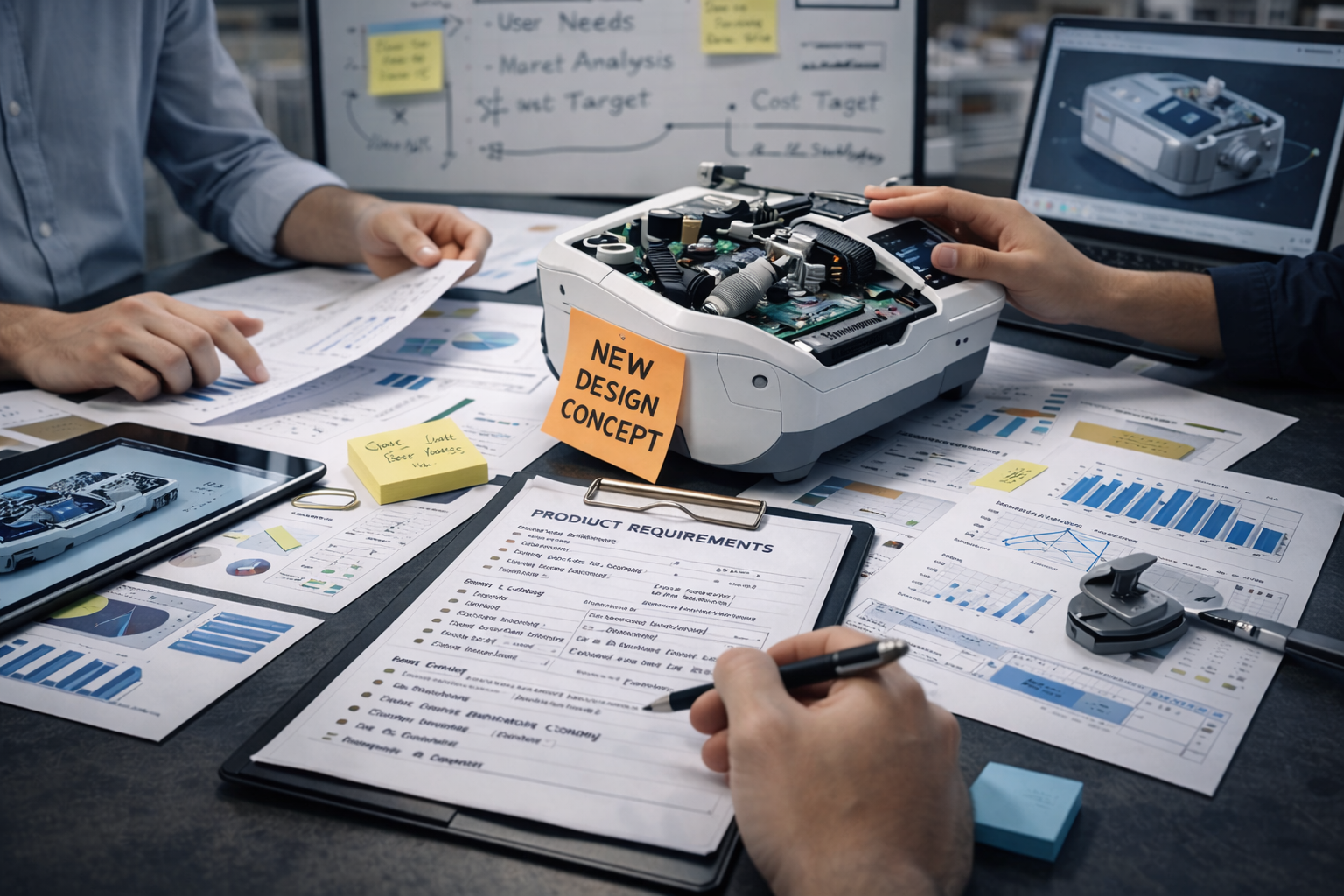
Understand the Product

We understand the use case, product expectations, critical constraints, and stage of development.

Step 2
Break Down the Engineering

We define subsystem logic, identify technical risks, and convert the concept into a practical development approach.

Step 3
Design and Validation

Focused development & reliability through validation, bring-up, and refinement.

Step 4
Manufacturing Support

We help close gaps in BOMs, manufacturability, sourcing, and pilot-build engineering support.

Free Planning Tools

Optional tools for early visibility into cost bands, timelines, complexity, and risks — they support structured engineering, they don't replace it.

Meaningful risk in the output usually means a real engineering discussion is warranted — not another spreadsheet pass.

Selected engineering examples

Execution-focused snapshots — not generic marketing stories. Full details on the case studies page.

From idea to subsystem architecture
Product context

Industrial burner / process controller (EMI-heavy plant environment)

Engineering challenge

The team had clear product intent but competing assumptions about safety, sensing, and how much isolation was required for reliable operation.

What needed to change

A defensible subsystem breakdown: what must be fail-safe, what could be modularized later, and where EMI and power noise would matter before any layout work.

Engineering approach

Structured the architecture around fail-safe behavior, EMI-hardening at the boundary, and watchdog / interlock logic before committing to PCB structure — so the first serious build targeted the right risks.

Outcome

Fewer late-stage PCB spins; validation focused on real environmental risks instead of chasing symptoms after layout was frozen.

What this demonstrates

Early architecture ownership when downtime and field failure are costly — not just a diagnostic exercise.

From unstable prototype to structured redesign
Product context

Consumer water-system controller (volume product)

Engineering challenge

A working prototype existed, but field update strategy, provisioning, and long-term reliability were deferred.

What needed to change

Separate what belongs in v1 vs phased connectivity, and define update and recovery paths before manufacturing scale-up.

Engineering approach

Phased roadmap: baseline controller first, then OTA-capable path with provisioning designed in — avoiding a firmware rewrite under volume pressure.

Outcome

Reduced rework risk before ramp; clearer path from pilot to sustained field support.

What this demonstrates

Firmware and update architecture treated as product engineering — not a post-hardware add-on.

Need Engineering Execution — or a Deeper Look at Risk?

Talk to us about architecture, design, validation, or manufacturing-readiness. If useful, use the free tools afterward — they complement execution planning; they don't replace it.