Selected Engineering Case Studies
Examples of how engineering problems were structured and moved toward execution — anonymized where needed. These are simplified narratives; real engagements include deeper technical and manufacturing detail.
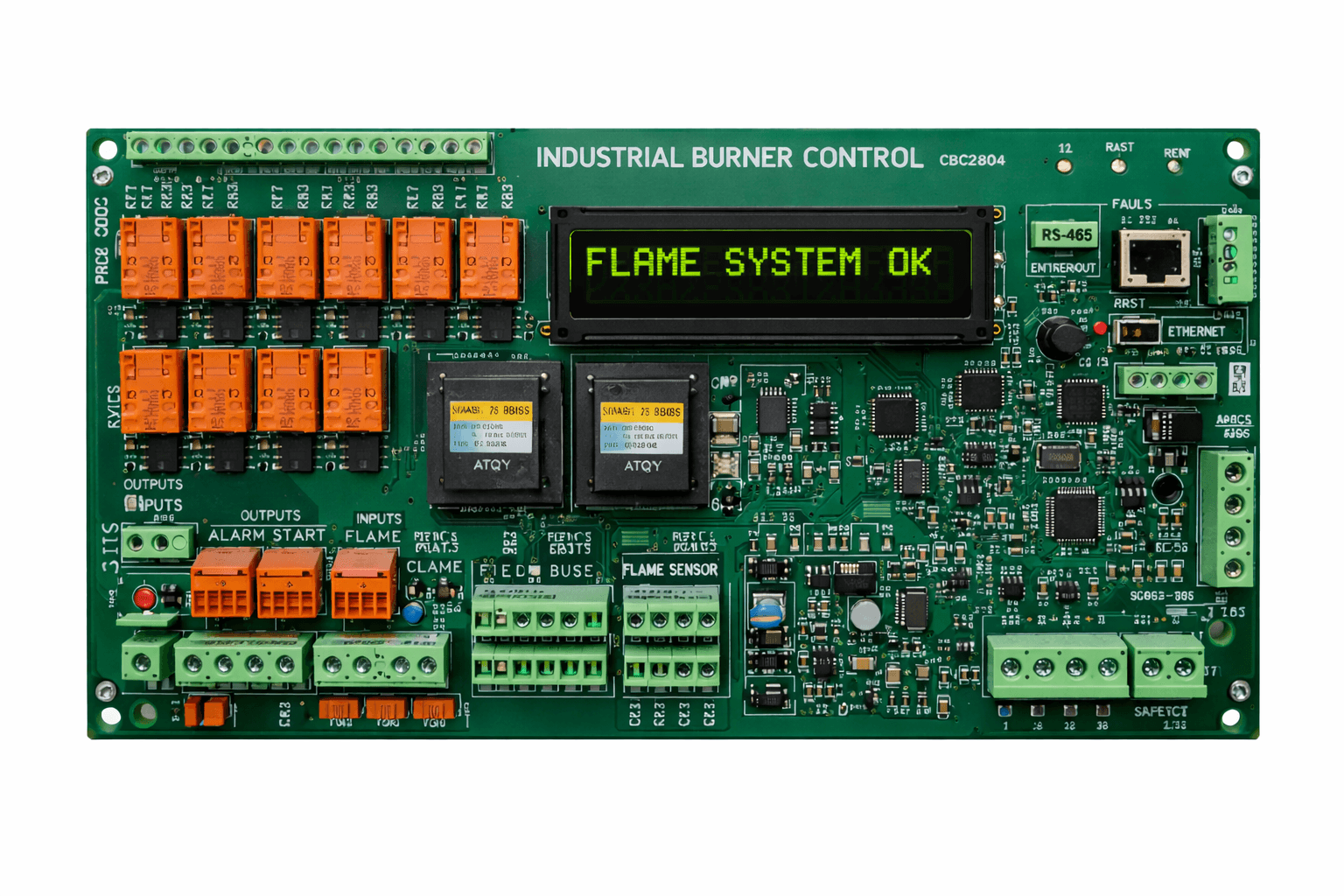
Case study
Industrial burner + flame controller
- Product contextIndustrial burner / flame controller (harsh EMI, noisy power, safety-critical interlocks)
- Engineering challengeSubsystem assumptions weren’t aligned: sensing, isolation boundaries, fail-safe behavior, and how to validate safety logic before committing to PCB structure.
- OutcomeReduced late-stage PCB rework; validation focused on real plant-environment risks instead of chasing symptoms after layout was frozen.
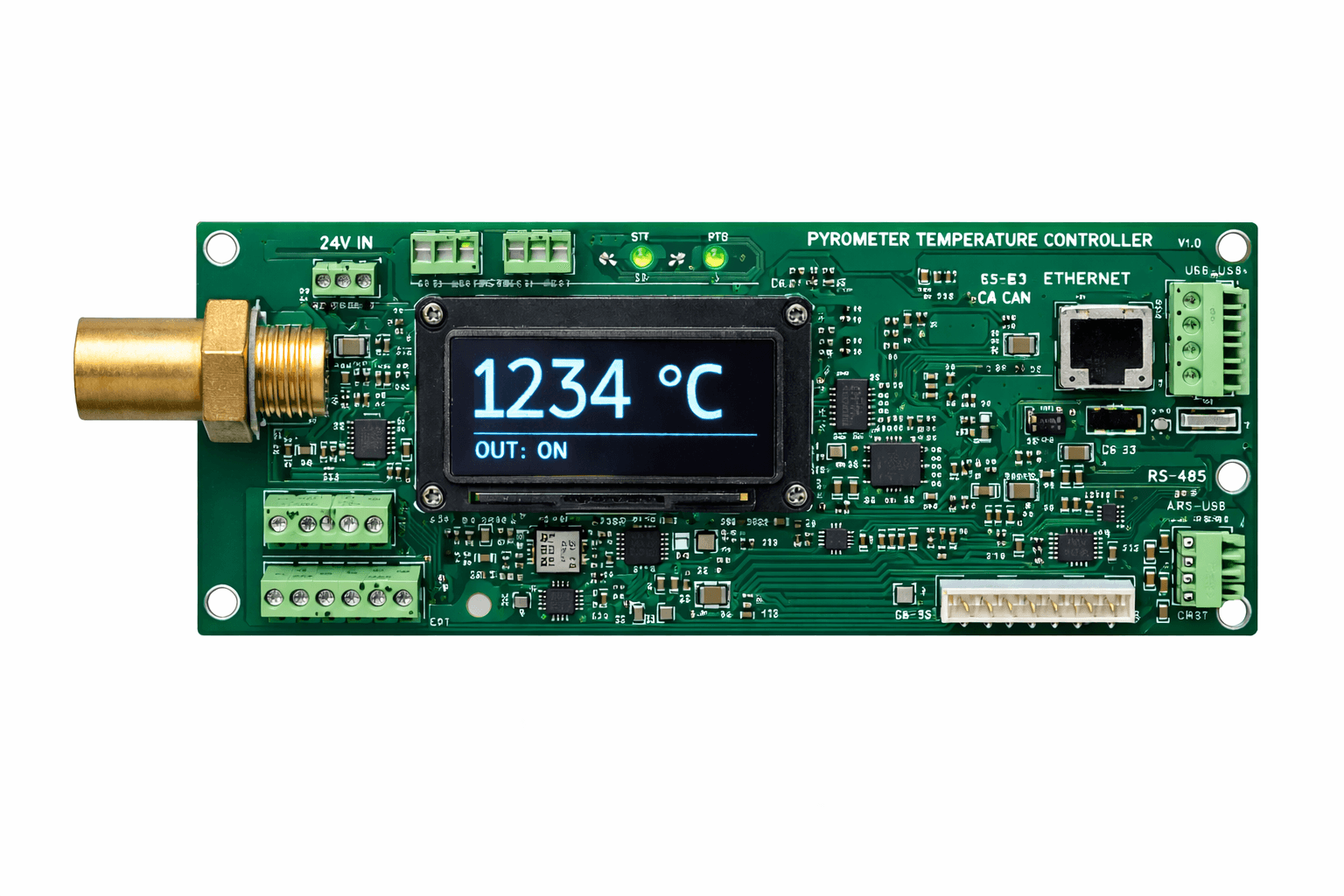
Case study
Industrial temperature / instrumentation
- Product contextIndustrial temperature measurement and instrumentation (low volume, high accuracy, high noise sensitivity)
- Engineering challengeA simple feature list hid real-world measurement constraints: noise, grounding, calibration drift, and repeatability across builds.
- OutcomeValidation aligned with how the product would actually be built and serviced; fewer surprises between lab performance and field behavior.
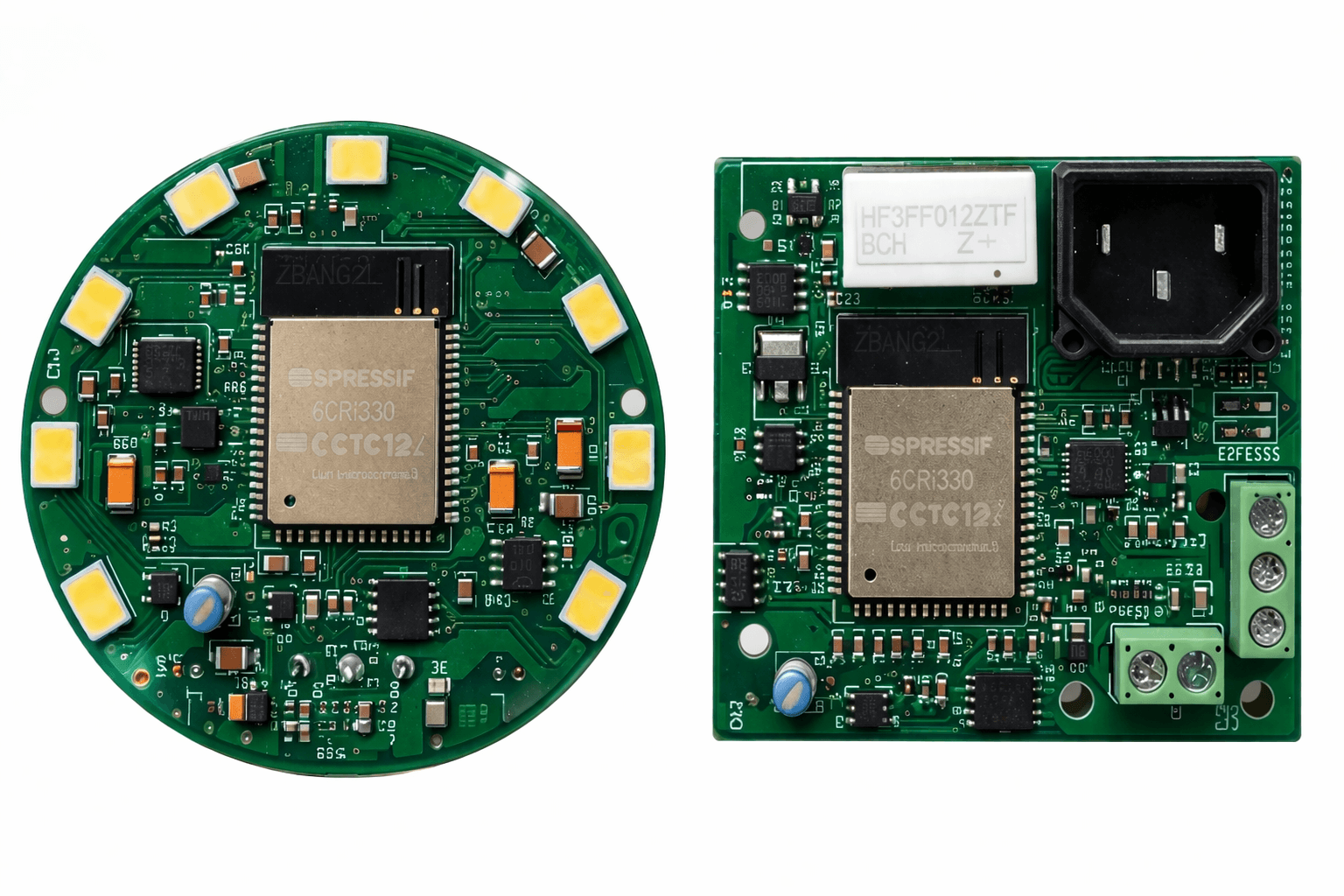
Case study
Smart bulb + smart plug PCBA
- Product contextConnected consumer device PCBA (smart bulb / smart plug class product; cost + reliability constraints)
- Engineering challengeConnectivity, power, thermal behavior, and manufacturability all competed with BOM cost and assembly constraints.
- OutcomeSmoother bring-up and fewer manufacturing surprises; clearer path from prototype behavior to repeatable volume builds.
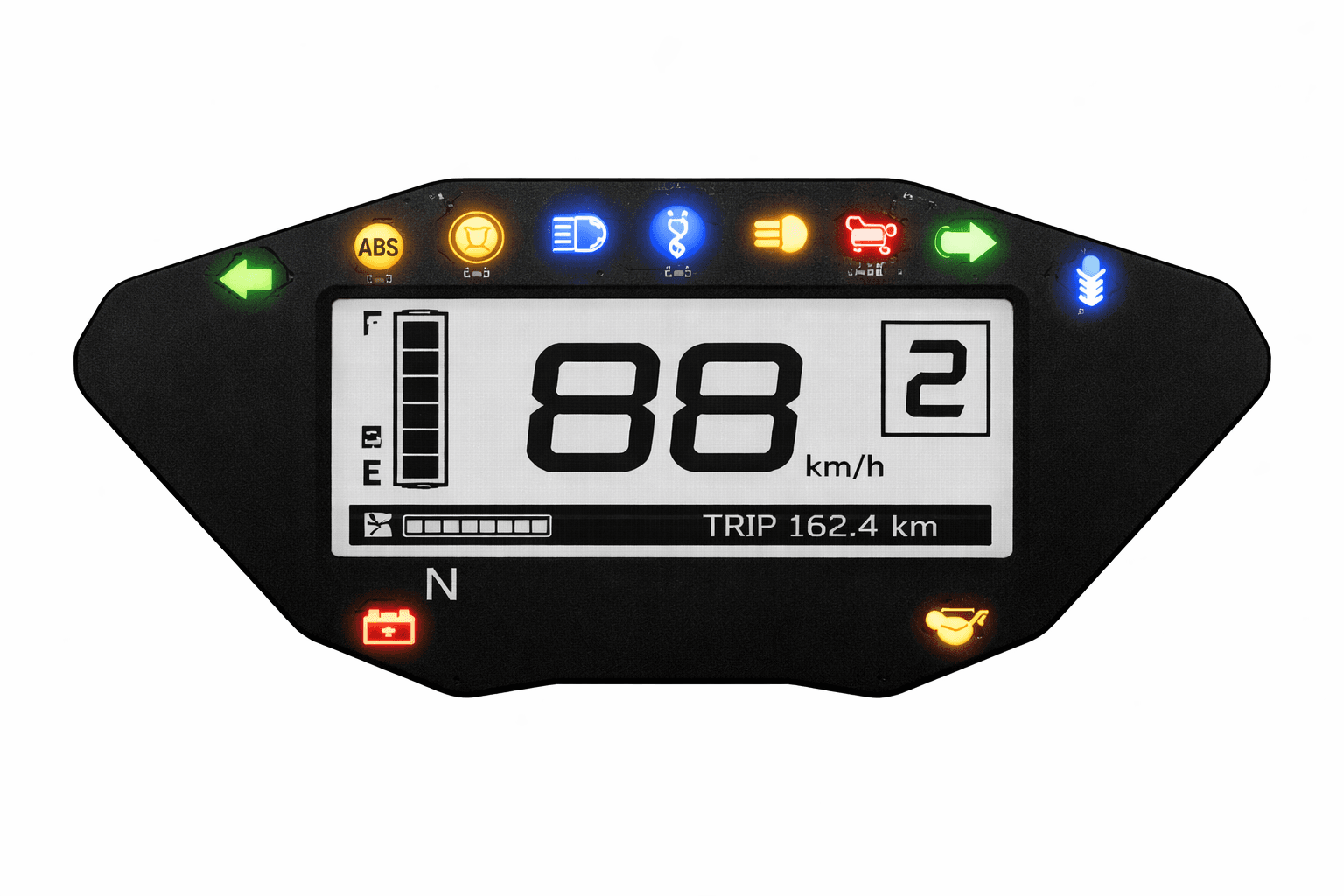
Case study
Cluster display PCBA (2W/3W applications)
- Product contextAutomotive cluster display PCB assembly (2-wheeler and 3-wheeler applications; vibration/temperature constraints)
- Engineering challengeMixed-signal constraints and connector/mechanical realities required careful layout and validation planning to avoid field failures.
- OutcomeReduced integration risk and clearer manufacturing-readiness path for pilot builds.
Case study
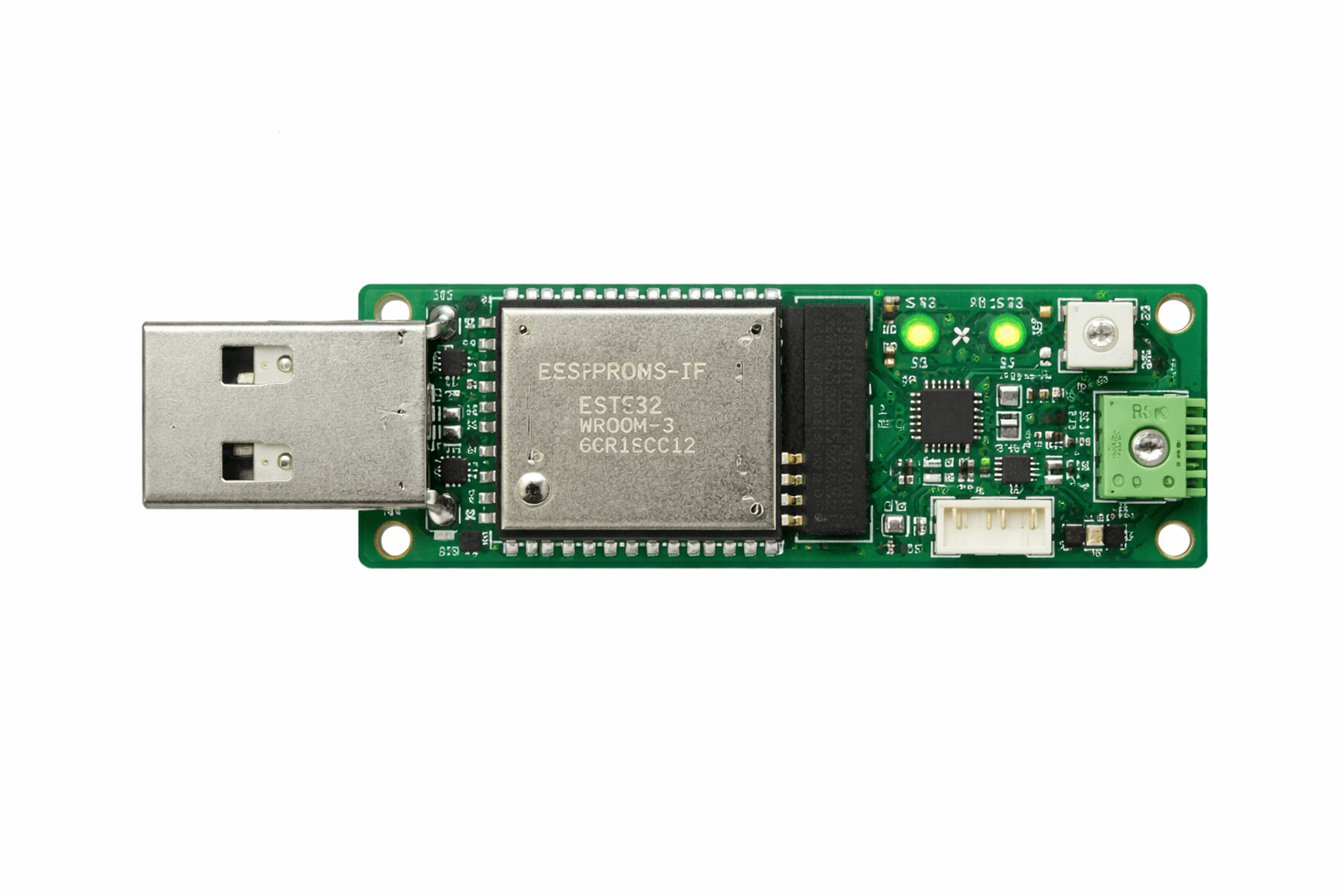
IoT dongle for inverter / consumer / automotive use
- Product contextIoT dongle platform (general inverter, consumer, and automotive integration scenarios)
- Engineering challengeIntegration environments varied widely (power, noise, grounding, enclosure constraints), so a one-size-fits-all approach would fail at deployment.
- OutcomeFewer deployment surprises; repeatable integration baseline that reduced per-customer customization churn.